


-
Mar25UConn Spring Career Fair- All MajorsUConn Volleyball Center - 509 Jim Calhoun Way, Storrs, CT 0626811:00 AM
-
Mar27
-
Mar27
-
Mar28
Web cookies (also called HTTP cookies, browser cookies, or simply cookies) are small pieces of data that websites store on your device (computer, phone, etc.) through your web browser. They are used to remember information about you and your interactions with the site.
Session Management:
Keeping you logged in
Remembering items in a shopping cart
Saving language or theme preferences
Personalization:
Tailoring content or ads based on your previous activity
Tracking & Analytics:
Monitoring browsing behavior for analytics or marketing purposes
Session Cookies:
Temporary; deleted when you close your browser
Used for things like keeping you logged in during a single session
Persistent Cookies:
Stored on your device until they expire or are manually deleted
Used for remembering login credentials, settings, etc.
First-Party Cookies:
Set by the website you're visiting directly
Third-Party Cookies:
Set by other domains (usually advertisers) embedded in the website
Commonly used for tracking across multiple sites
Authentication cookies are a special type of web cookie used to identify and verify a user after they log in to a website or web application.
Once you log in to a site, the server creates an authentication cookie and sends it to your browser. This cookie:
Proves to the website that you're logged in
Prevents you from having to log in again on every page you visit
Can persist across sessions if you select "Remember me"
Typically, it contains:
A unique session ID (not your actual password)
Optional metadata (e.g., expiration time, security flags)
Analytics cookies are cookies used to collect data about how visitors interact with a website. Their primary purpose is to help website owners understand and improve user experience by analyzing things like:
How users navigate the site
Which pages are most/least visited
How long users stay on each page
What device, browser, or location the user is from
Some examples of data analytics cookies may collect:
Page views and time spent on pages
Click paths (how users move from page to page)
Bounce rate (users who leave without interacting)
User demographics (location, language, device)
Referring websites (how users arrived at the site)
Here’s how you can disable cookies in common browsers:
Open Chrome and click the three vertical dots in the top-right corner.
Go to Settings > Privacy and security > Cookies and other site data.
Choose your preferred option:
Block all cookies (not recommended, can break most websites).
Block third-party cookies (can block ads and tracking cookies).
Open Firefox and click the three horizontal lines in the top-right corner.
Go to Settings > Privacy & Security.
Under the Enhanced Tracking Protection section, choose Strict to block most cookies or Custom to manually choose which cookies to block.
Open Safari and click Safari in the top-left corner of the screen.
Go to Preferences > Privacy.
Check Block all cookies to stop all cookies, or select options to block third-party cookies.
Open Edge and click the three horizontal dots in the top-right corner.
Go to Settings > Privacy, search, and services > Cookies and site permissions.
Select your cookie settings from there, including blocking all cookies or blocking third-party cookies.
For Safari on iOS: Go to Settings > Safari > Privacy & Security > Block All Cookies.
For Chrome on Android: Open the app, tap the three dots, go to Settings > Privacy and security > Cookies.
Disabling cookies can make your online experience more difficult. Some websites may not load properly, or you may be logged out frequently. Also, certain features may not work as expected.


Our lab is focused on understanding and testing factors that increase motivation for movement. We use behavioral science to create interventions for individuals that might have difficulties starting and sticking with exercise and physical activity. We primarily focus on interventions for people with Parkinson disease as well as underserved populations (Latinx/Hispanic).
You can make a donation to our lab at the UConn Foundation website if you would like to support our research for people with Parkinson’s disease. Any questions please reach out to Erin McMahon at the UConn Foundation emcmahon@foundation.uconn.edu
Please apply here if you are interested in joining our team!
Movement for Life Lab
Vision: Empowering movement for all, for life.
Mission: To empower and motivate individuals, families, and populations to be physically active.
Research goals:
Padeces de la enfermedad de Parkinson y estas buscando una manera para implementar el ejercicio en tu vida cotidiana, pero no sabe por donde comenzar; este estudio podría ser para usted. Si estas interesado/a en obtener más información sobre este estudio puedes llamar al 860-486-9555 o al 860-617-2255.
Are you affected by Parkinson`s disease and looking to incorporate an exercise routine into your daily life, but not sure how to do it? This study could be beneficial for you. If you are interested in obtaining more information about this study, you can call us at 860-486-9555 or 860-617-2255.
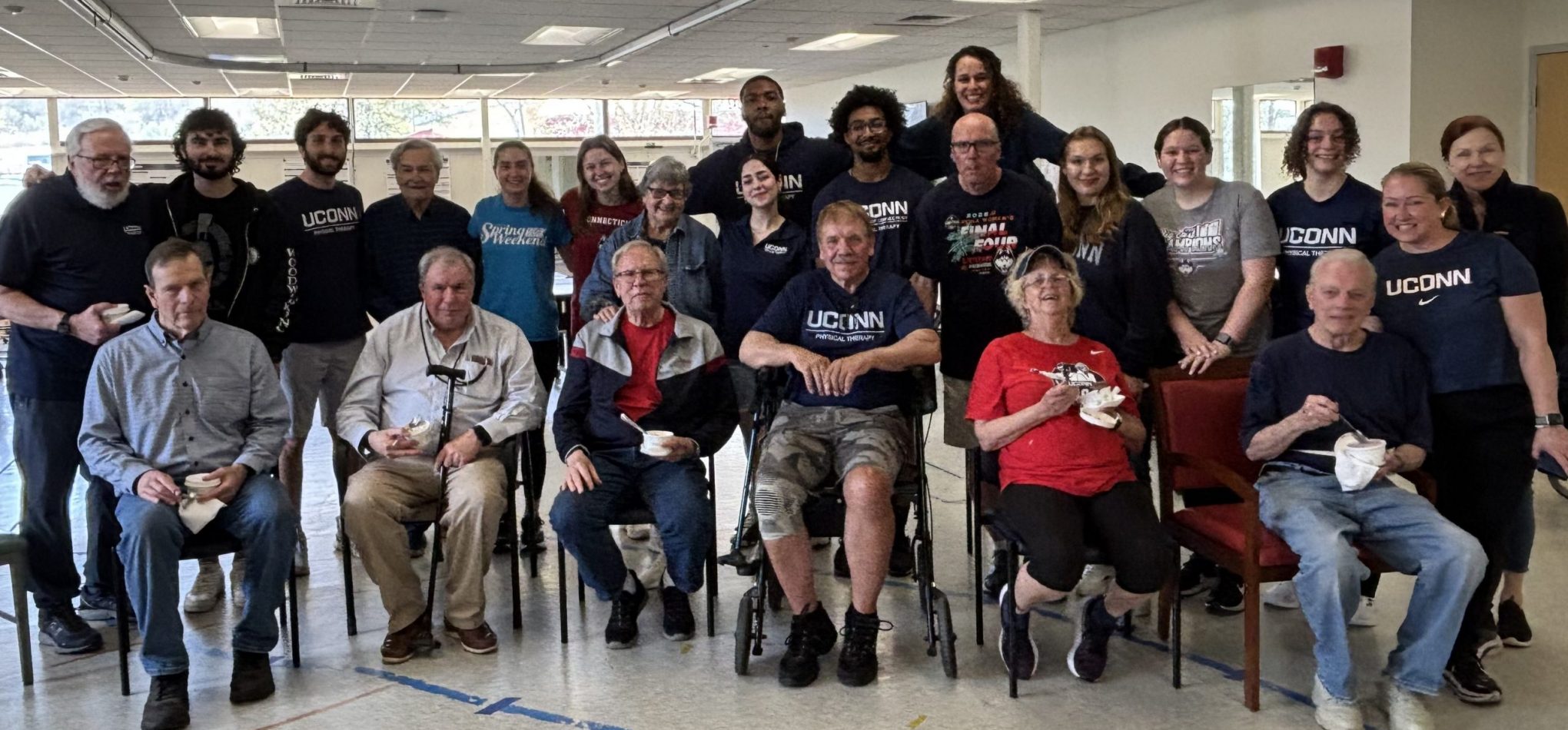
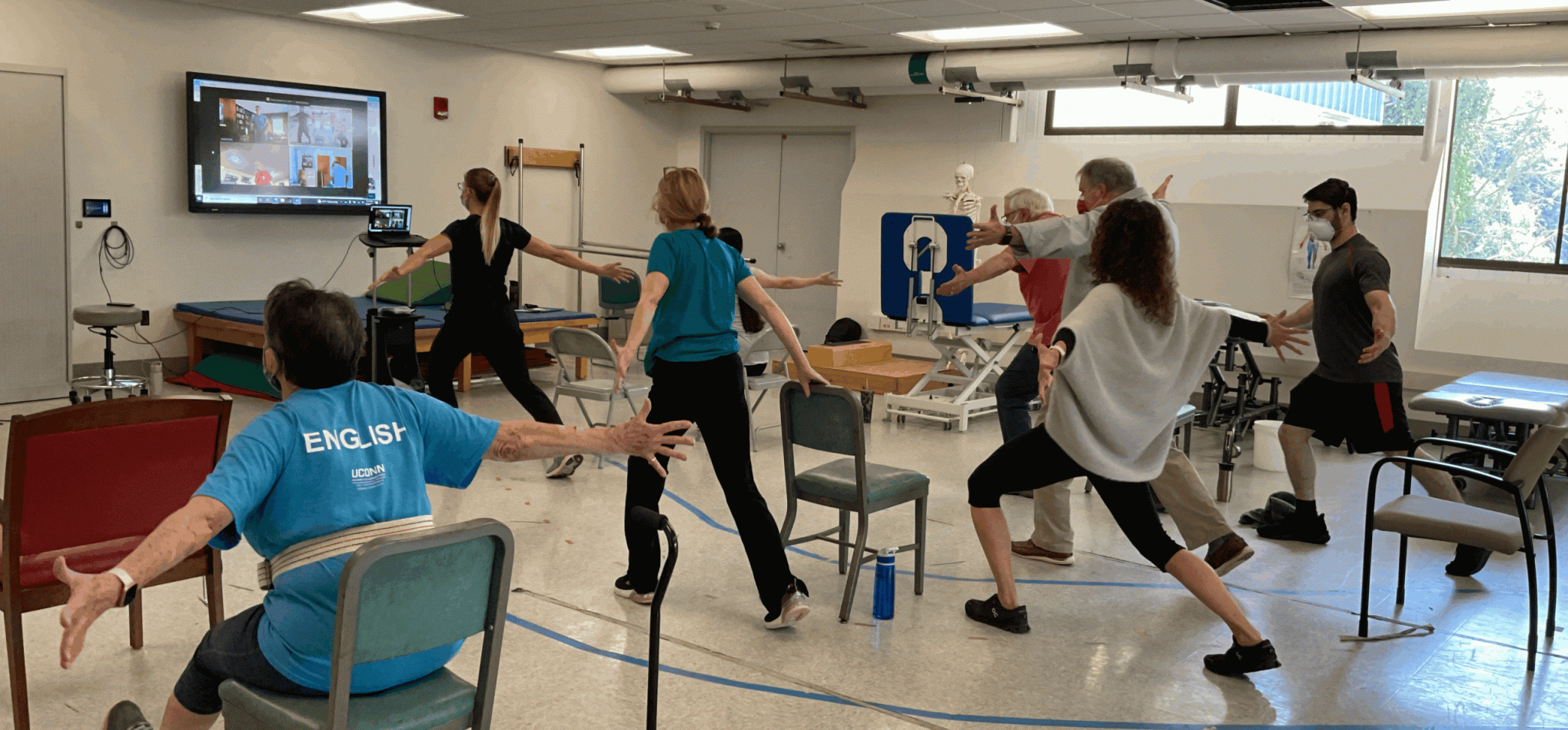
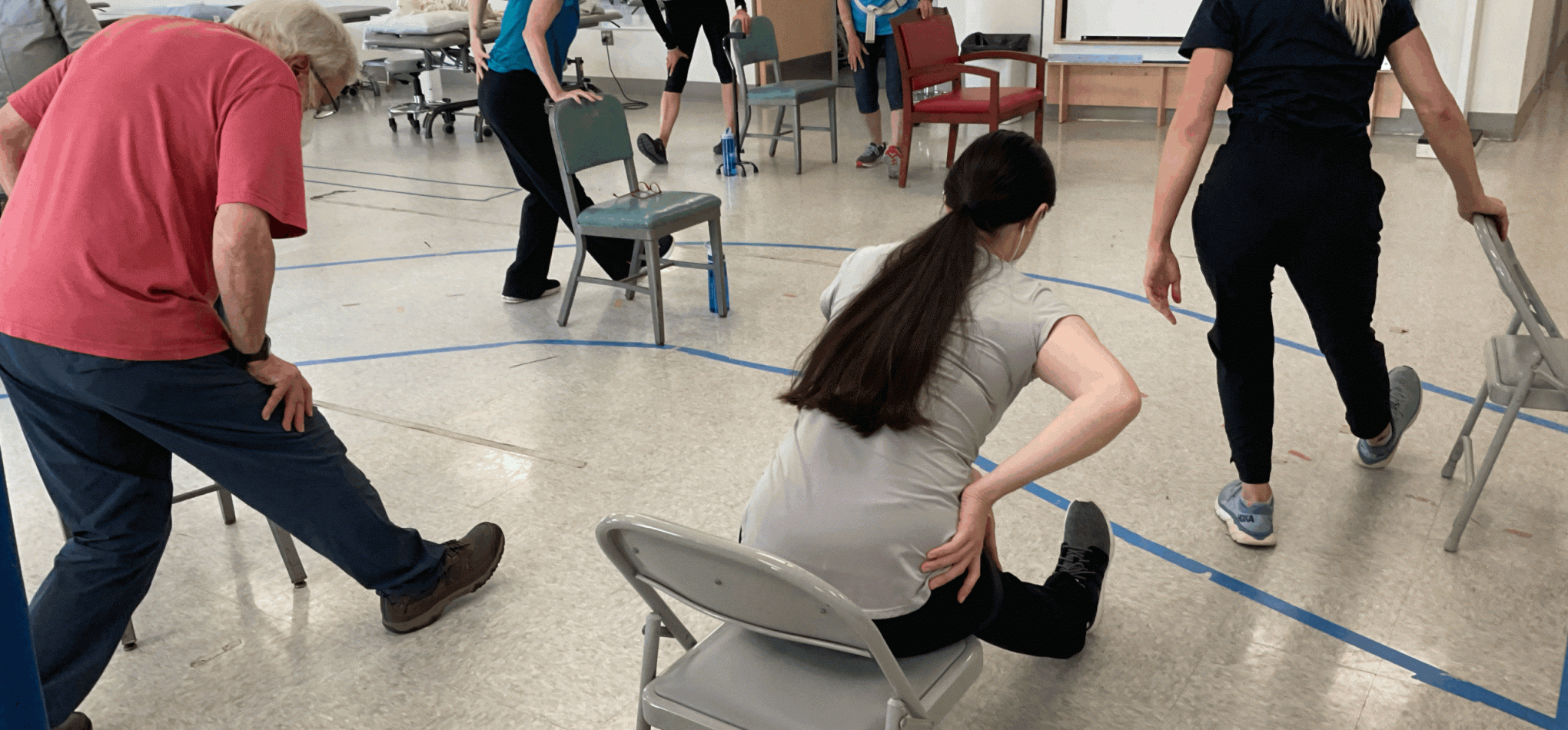
This year’s APDA CT optimism walk in Farmington CT with Dr. Colon-Semenza and Dr. Osborne and DPT Alumnus. All led the group in warm-up exercises and ran a fall risk assessment for people living with PD.
#apda #parkinsondisease #parkinsonsdiseaseawareness#uconn #uconndpt#optimismwalk
Make sure to check out this short video about “The Effect of Remote Exercise interventions on Physical Activity Functional Mobility Gait among Adults with Parkinson Disease” for UCONN center for mhealth and social media 7th annual conference.
Link in bio
#uconndigital23 #uconn #uconnhealth #parkinsondisease
#parkinsonsdiseaseawareness
#parkinsonsresearch
#telehealth #telehealthphysicaltherapy
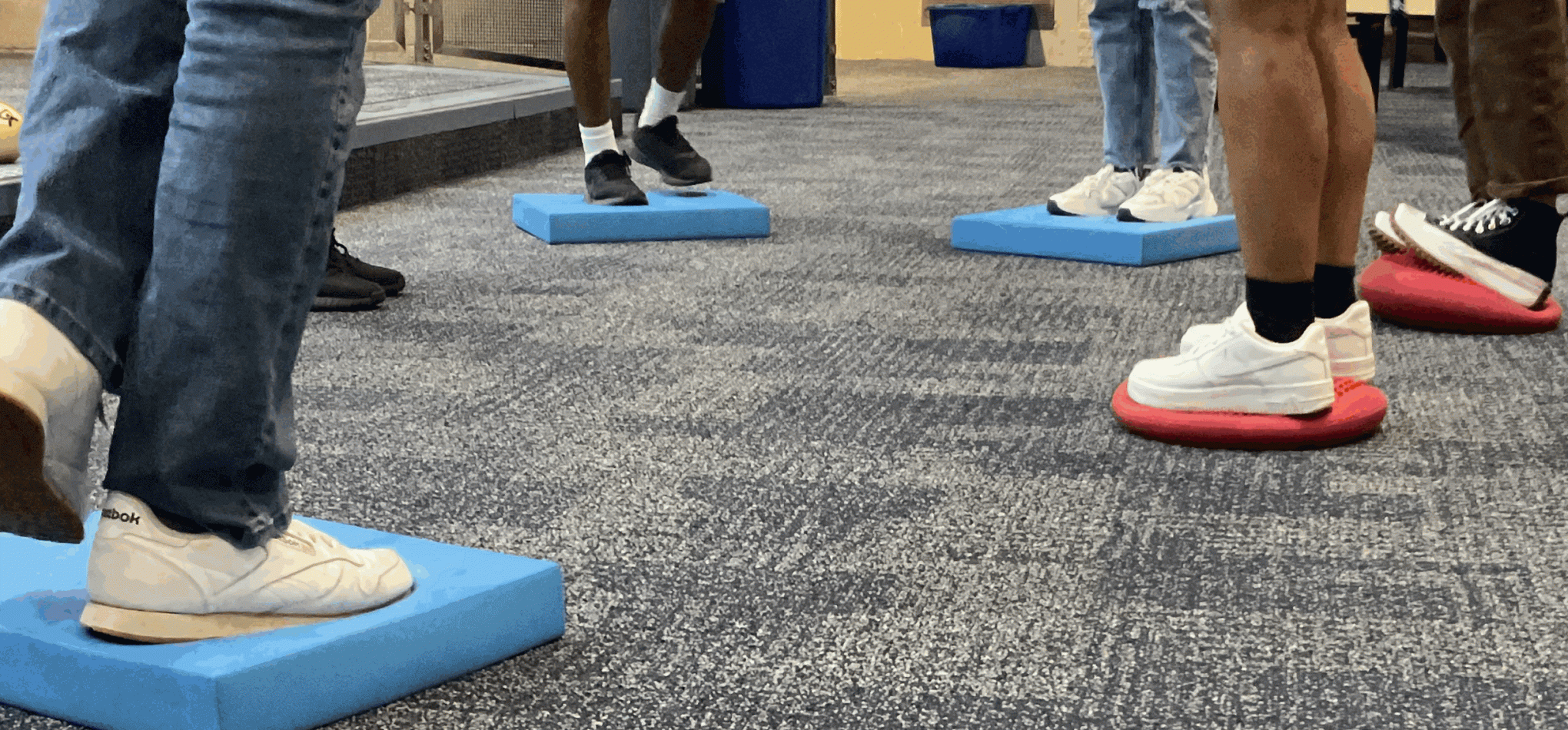
The Movement For Life Lab is recruiting participants for our movement and creativity research study! The gait training sessions (lasting 30-45 minutes) will be 2x/week on Tuesdays and Thursdays between the hours of 12-4 pm in person at UConn Storrs. Reach out to movementforlifelab@gmail.com or 860-486-9555 to learn more and to get a copy of the research flyer!