OPTIMAL Theory-Based Interactive Image Making to Improve Gait and Quality of Life in Parkinson Disease
Since the advent of photography, the medium has been used as a scientific tool in understanding movement, time and body. There is evidence that as early as 1879, photographic images were used to study the symptoms and diagnosis of PD.
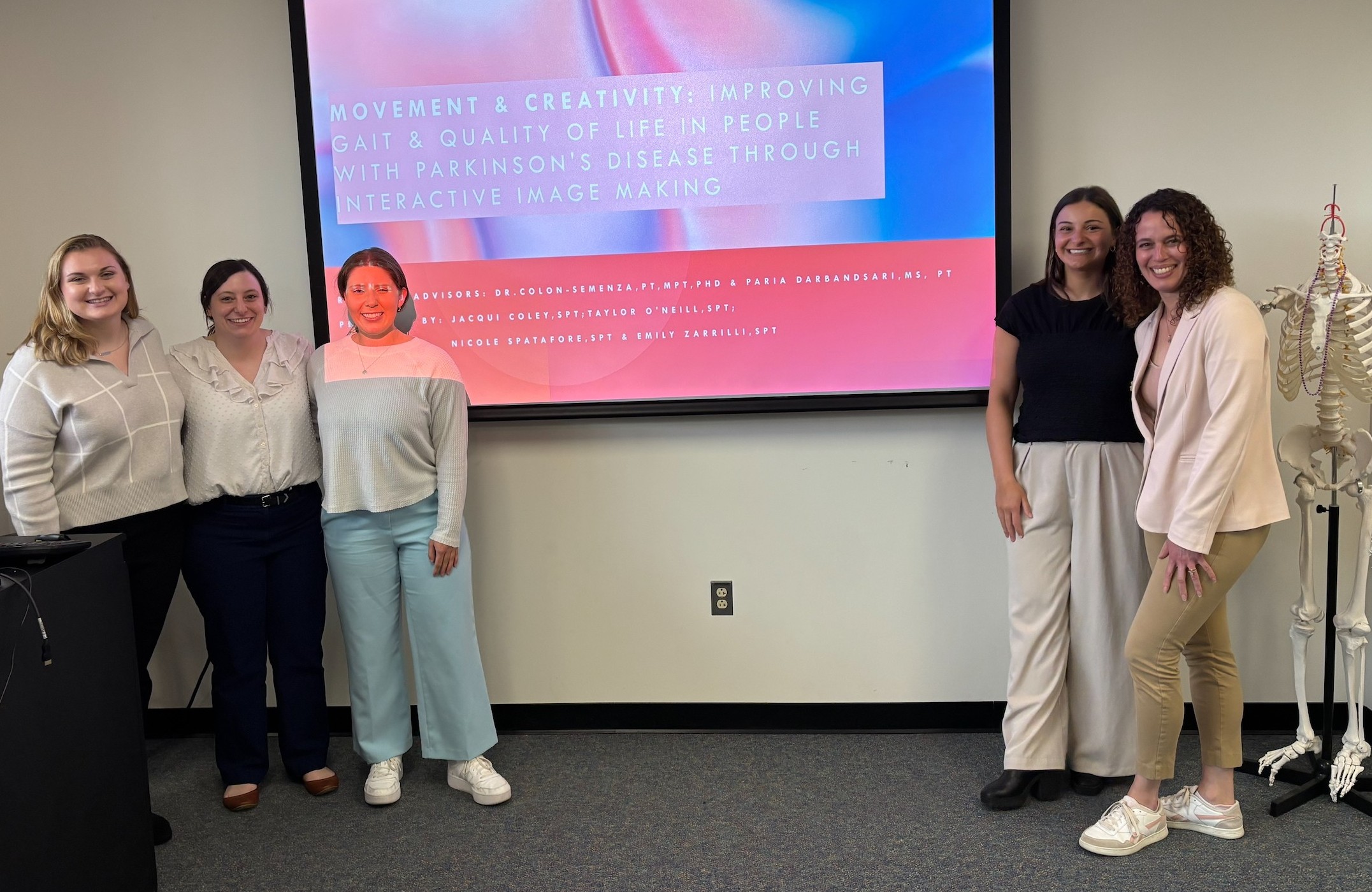
STEAM Project brought together researchers across three colleges at the University of Connecticut (School of Fine Arts, College of Agriculture, Health and Natural Resources and the School of Medicine) and aimed to determine the feasibility, safety, acceptability, and initial efficacy of a novel component of a gait training intervention, enhanced visual feedback and reward through photography, to improve movement, motivation, and quality of life in people with Parkinson disease.
You can see the results of this study here.
Pepper Scholar Project
The combination of physical activity and social support may improve disease management for people with Parkinson’s disease (PD) from underrepresented groups (URG). Despite the critical importance of exercise in the management of PD, the majority of Hispanic individuals with PD do not believe that exercise is an important factor for disease management. Cultural barriers compound the problem of inactivity and may contribute to delayed access to healthcare for PD, inhibiting optimal disease management. Receiving positive feedback, engaging in more enjoyable physical activities and social support may facilitate older adults’ engagement in physical activity.
Pepper Scholar Project aims to determine the feasibility of a peer-supported mobile health physical activity intervention for exercise in Latinx people with PD and the effects of this intervention on physical activity, motivation, quality of life, and self-efficacy.